How AI Fashion Visualization Reduces the Need for Traditional Photoshoots
Fashion brands have relied on traditional photoshoots for decades to create catalogs, ecommerce images, advertising campaigns, and social media content. While these shoots produce high-quality visuals, they also require significant investments in photographers, models, studios, stylists, locations, and post-production.
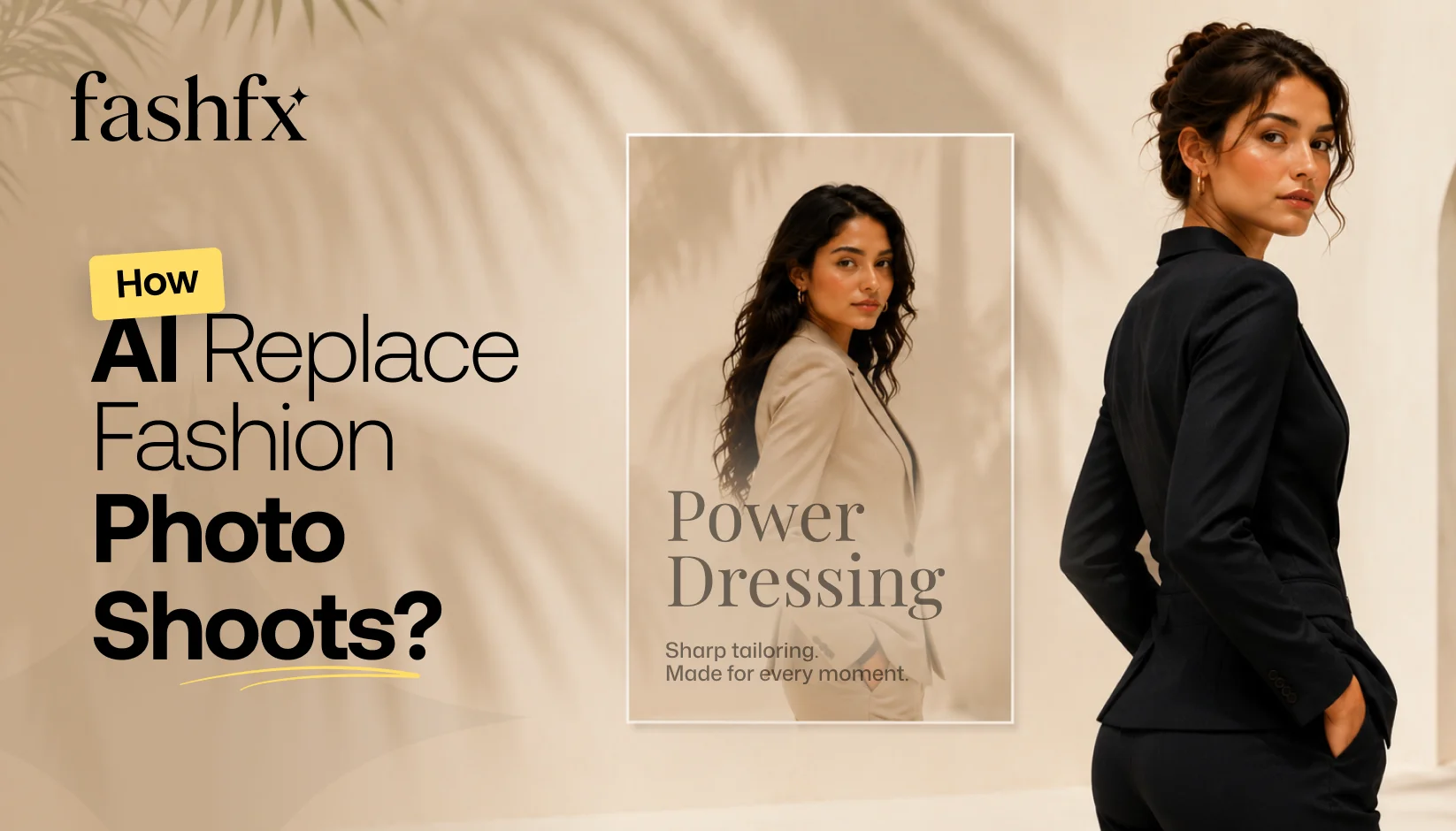
Fashion brands have relied on traditional photoshoots for decades to create catalogs, ecommerce images, advertising campaigns, and social media content. While these shoots produce high-quality visuals, they also require significant investments in photographers, models, studios, stylists, locations, and post-production.
Today, AI fashion visualization is changing that workflow.
Instead of organizing multiple photoshoots for every new collection, brands can create realistic fashion visuals digitally using AI. From virtual try-on and product-to-model generation to sketch-to-garment rendering and AI-generated fashion videos, modern AI tools allow fashion teams to produce campaign-ready assets in a fraction of the time and cost.
In this guide, you'll learn how AI fashion visualization reduces the need for traditional photoshoots, where it delivers the greatest value, and why fashion businesses are increasingly adopting AI-powered content creation.
What Is AI Fashion Visualization?
AI fashion visualization is the process of using artificial intelligence to create realistic fashion images without relying on conventional photography.
Instead of photographing every product on a model, AI generates high-quality visuals while preserving garment details, colors, textures, patterns, and proportions.
Modern AI fashion visualization platforms can create:
- Product-to-model images
- AI virtual try-on visuals
- Sketch-to-garment renders
- Model swaps
- Complete outfit styling
- Ecommerce product imagery
- Campaign creatives
- Fashion marketing videos
Rather than replacing creativity, AI helps fashion teams produce visual content much faster while reducing production complexity.
Why Traditional Fashion Photoshoots Are Becoming Less Practical
Fashion content demand has increased dramatically.
Brands now need visuals for:
- Ecommerce stores
- Marketplaces
- TikTok
- Paid advertisements
- Email campaigns
- Seasonal launches
- Product catalogs
- International marketing
A traditional production usually involves:
- Studio rental
- Professional photographers
- Makeup artists
- Stylists
- Models
- Lighting equipment
- Product preparation
- Editing and retouching
- Multiple approval rounds
Every new SKU, color variation, or collection often requires another photoshoot.
For growing fashion businesses, repeating this process every few weeks becomes expensive and difficult to scale.
How AI Fashion Visualization Replaces Traditional Photoshoots
AI doesn't eliminate photography entirely. Instead, it significantly reduces the number of photoshoots required throughout the fashion production cycle.
1. Product Images Become Model Shots Without Photography
One of the biggest advantages of AI fashion visualization is product-to-model generation.
Instead of photographing every garment on multiple models, brands upload a product image and generate realistic on-model visuals instantly.
AI preserves:
- Fabric texture
- Patterns
- Branding
- Shape
- Fit
- Color accuracy
This allows businesses to produce catalog-ready images without organizing another studio session.
2. AI Virtual Try-On Eliminates Multiple Sample Shoots
Traditional photoshoots require physical samples in every size before photography begins.
AI virtual try-on changes this workflow.
Fashion teams can preview garments on different:
- Body types
- Genders
- Ages
- Ethnicities
- Model poses
without arranging separate photoshoots. This is particularly valuable during product development when final inventory may not yet be available.
3. Sketches Become Marketing Visuals
Fashion designers often wait weeks before seeing finished garments on models.
With Sketch-to-Garment AI, flat sketches and fashion illustrations can be transformed into realistic clothing visuals within minutes.
These visuals help teams:
- Validate concepts
- Present collections
- Gather buyer feedback
- Create lookbooks
- Prepare investor presentations
before manufacturing begins.
4. Model Swaps Remove the Need for Repeat Campaigns
Traditional campaigns often require new photoshoots whenever brands want different models or regional marketing creatives.
AI model swap technology allows brands to replace models while preserving:
- Garment placement
- Pose
- Lighting
- Composition
- Background
This creates localized marketing assets without repeating production.
5. AI Generates Fashion Videos from Existing Images
Video marketing usually requires another production budget.
AI fashion visualization platforms can transform static fashion images into smooth marketing videos suitable for:
- Instagram Reels
- TikTok
- Product launches
- Website banners
- Digital advertising
Instead of filming another campaign, brands extend the value of existing visuals.
Benefits of AI Fashion Visualization
Faster Content Creation
Traditional shoots often take weeks from planning to final delivery.
AI reduces this timeline dramatically, allowing marketing teams to publish new collections much faster.
Lower Production Costs
AI removes many recurring expenses, including:
- Studio rentals
- Travel
- Photography crews
- Lighting setups
- Multiple editing cycles
- Repeated campaign shoots
Instead of budgeting for every seasonal collection, businesses can generate new visuals digitally.
Easier Product Launches
Fashion brands frequently launch hundreds or thousands of SKUs.
AI makes it possible to generate visuals at scale without scheduling individual product photography.
Consistent Brand Identity
Maintaining identical lighting, angles, styling, and composition across multiple photoshoots is difficult.
AI visualization produces consistent imagery across:
- Ecommerce
- Social media
- Catalogs
- Paid campaigns
- Marketplaces
creating a stronger visual identity.
Faster Marketing Campaigns
Marketing teams no longer need to wait for completed photoshoots before launching promotions.
Campaign creatives can be produced as soon as product concepts are finalized.
Traditional Photoshoots vs AI Fashion Visualization
| Traditional Photoshoots | AI Fashion Visualization |
|---|---|
| Studio booking required | Fully digital workflow |
| Requires photographers | AI-generated visuals |
| Multiple models needed | Unlimited model options |
| High production costs | Lower content creation costs |
| Days or weeks to complete | Minutes to generate |
| Difficult to scale | Easily scalable |
| Repeat shoots for every campaign | Reuse existing products digitally |
| Physical product samples required | Supports pre-production visualization |
Who Benefits Most from AI Fashion Visualization?
Almost every fashion business can reduce production effort with AI-generated visuals.
Fashion Brands
Launch collections faster while minimizing campaign production costs.
Fashion Designers
Visualize concepts before manufacturing begins.
Ecommerce Stores
Generate consistent product imagery for large catalogs.
Retailers
Create promotional visuals without repeated product photography.
Marketing Teams
Produce fresh campaign assets whenever required.
Creative Agencies
Deliver more fashion content for clients with shorter turnaround times.
Common Use Cases
AI fashion visualization supports numerous workflows across the industry. Some of the most popular include:
- AI virtual try-on
- Product-to-model generation
- Sketch-to-garment rendering
- Multi-asset outfit styling
- AI model replacement
- Fashion campaign creation
- Ecommerce product visualization
- Seasonal catalog production
- Fashion advertising
- AI-generated product videos
These capabilities reduce dependence on traditional production while increasing creative flexibility.
Does AI Completely Replace Fashion Photography?
No.
Traditional photography remains valuable for:
- Luxury editorial campaigns
- Celebrity shoots
- Brand storytelling
- Runway events
- Behind-the-scenes content
- Lifestyle campaigns
However, many day-to-day production tasks—including catalog images, ecommerce content, product previews, and marketing assets—can now be created using AI.
Many fashion businesses are adopting a hybrid workflow, combining selective photography with AI-generated fashion visualization to maximize efficiency.
Conclusion
Fashion content requirements continue to grow, while traditional photoshoots remain expensive, time-consuming, and difficult to scale.
AI fashion visualization offers a practical alternative by enabling brands to create realistic product imagery, virtual try-on experiences, sketch-to-garment renders, campaign creatives, and AI-generated videos from digital assets.
Rather than replacing creativity, AI helps creative teams spend less time on repetitive production and more time designing, marketing, and launching collections faster.
As fashion businesses seek quicker product launches and more efficient content creation, AI fashion visualization is becoming an essential part of the modern fashion workflow.
Why Fashion Teams Are Adopting FashFX
Fashion brands need more than AI image generation—they need a workflow built specifically for fashion content creation.
FashFX helps designers, retailers, ecommerce stores, marketing teams, and creative agencies create production-ready fashion visuals using AI. With features such as AI Virtual Try-On, Product-to-Model Generation, Sketch-to-Garment, Model Swap, Multi-Asset Outfit Styling, and AI Fashion Video Generation, teams can produce realistic visuals for catalogs, ecommerce, advertising, social media, and campaigns without relying on repeated photoshoots.
Whether you're launching a new collection, testing design concepts, or scaling marketing content across channels, FashFX helps reduce production time while maintaining consistent, high-quality fashion visuals.
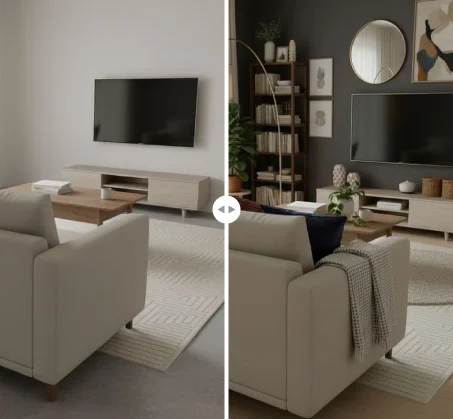
Start Creating with FashFX
Turn early fashion ideas into realistic garment visuals ready for review and collection planning.
Get Started
Frequently
Asked Questions
Have questions about How AI Fashion Visualization Reduces the Need for Traditional Photoshoots? We answer them here
AI can replace many ecommerce and catalog photography workflows by generating realistic product visuals, virtual try-on images, and marketing assets. Editorial and lifestyle photography may still require traditional shoots.

Ready to Redesign Your Content Pipeline?
Use FashFX to visualize your products and create photorealistic models in seconds.
Try FashFX Now